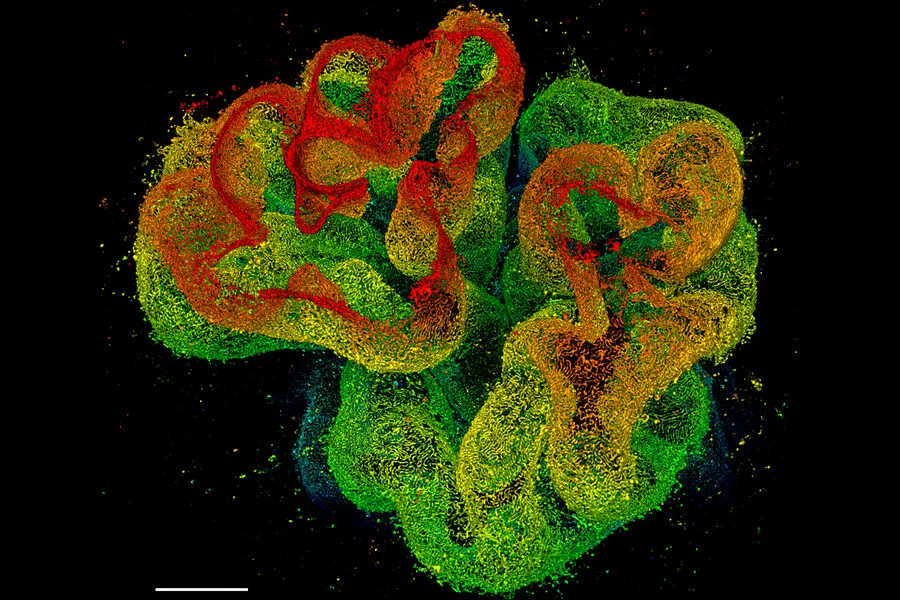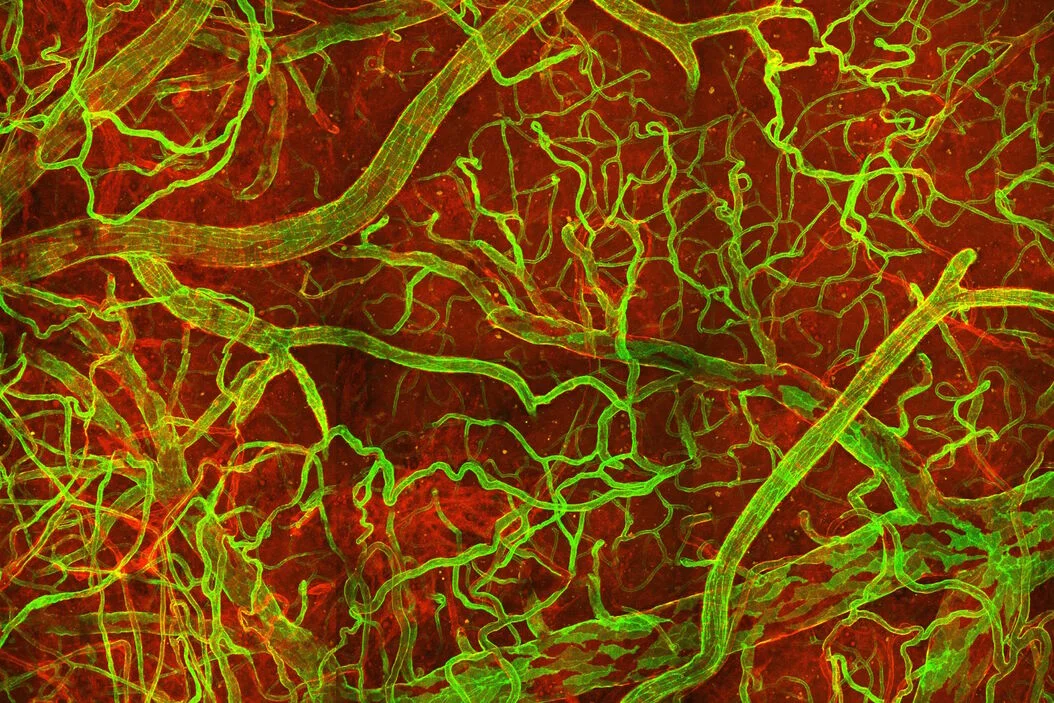
In the ever-evolving landscape of neuroscience, Quantum Magnetoencephalography (QMEG) emerges as a beacon of innovation, representing a paradigm shift in how we understand the human brain. This breakthrough technology, pioneered by ALINA, is redefining the boundaries of brain imaging and neurological research. QMEG stands as a testament to the remarkable progress we've made in neuroscience, offering a glimpse into a future where the mysteries of the brain are not just within reach but decipherable in unprecedented detail.
Revolutionizing Brain Imaging
Traditional brain imaging techniques, while useful, have their limitations in resolution and the ability to capture real-time neural activity. QMEG, on the other hand, utilizes the principles of quantum physics to detect and visualize brain activity at the level of individual neurons. This leap from macroscopic to microscopic imaging is akin to viewing the brain through an entirely new lens – one that offers a much more nuanced and dynamic picture of neural processes.
The implications of this are profound. For the first time, scientists and medical professionals can observe the intricate workings of the brain in real-time, providing insights into cognitive functions, neural networks, and the intricate dance of neurotransmitters and electrical impulses that underpin our thoughts and behaviors.
Enhancing Neuroscience Research and Treatment
The applications of QMEG in neuroscience research are vast. By providing a detailed map of neural activity, QMEG aids researchers in understanding complex neurological conditions, from epilepsy to Alzheimer's disease. This deepened understanding is not just academic; it translates into more targeted, effective treatments and therapies, tailored to the specific neural patterns of individual patients.
Furthermore, QMEG's real-time monitoring capabilities open new doors in the study of brain plasticity and recovery after injuries. It allows for the tracking of changes in brain activity over time, offering invaluable data on how the brain adapts and heals.
The Intersection with AI and Future Prospects
Integrating QMEG with advanced AI algorithms takes its potential to another level. AI's computational power can analyze the vast and complex data generated by QMEG, uncovering patterns and insights beyond human analysis. This synergy could lead to AI models that not only mimic but also predict human cognitive processes, offering a powerful tool for both research and therapeutic applications.
Ethical Considerations and the Road Ahead
As with any technology that probes into the depths of the human mind, QMEG brings with it ethical considerations. Issues around privacy, consent, and the potential misuse of brain data are paramount. ALINA is at the forefront of these discussions, ensuring that this powerful technology is used responsibly and for the greater good.
Quantum Magnetoencephalography is not just a scientific achievement; it's a window into the future of neuroscience. As ALINA continues to refine and advance QMEG, the possibilities are boundless. From deepening our understanding of the brain to revolutionizing neurological care, QMEG stands as a cornerstone of a new era in neuroscience, an era where the complexities of the human brain are not just observable but comprehensible in their most intricate details. The future is indeed now, and it's unfolding in the fascinating world of QMEG.